Regulatory Developments Reshape Prediction Markets and Sports Betting in Late 2026
Written by Petra Fischer · Nov 14, 2026

Regulatory Developments Reshape Prediction Markets and Sports Betting in Late 2026
Online sportsbooks including DraftKings, FanDuel, and Fanatics withdrew prediction market products from Utah after criminal charges were filed against operator Kalshi in late October, and this action coincides with a related lawsuit unfolding in Washington while other states examine their own approaches to these platforms. Observers note that companies adjusted their offerings quickly once the charges surfaced, and the moves reflect broader caution among operators navigating evolving rules in multiple jurisdictions.
Utah Withdrawal Follows Kalshi Charges
DraftKings, FanDuel, and Fanatics removed prediction market products from Utah in the weeks following the late October charges against Kalshi, and the pullbacks occurred amid heightened scrutiny of event contracts that allow users to wager on outcomes beyond traditional sports. Data from industry reports indicate that these platforms had offered limited selections in the state prior to the decision, yet operators cited compliance priorities when explaining the changes. Those who've tracked similar situations point out that companies often pause services in markets where legal exposure appears to increase, and the Utah situation fits that pattern without any public statements suggesting permanent exits.
Washington Lawsuit Adds to the Picture
A lawsuit in Washington state has drawn attention to comparable prediction market activities, and court filings there reference questions about whether certain contracts qualify as unlicensed gambling under state law. The proceedings remain ongoing as of November 2026, and legal teams for both sides continue to present arguments around regulatory definitions that distinguish prediction platforms from traditional betting. Figures from state records show that Washington has maintained stricter oversight on these products compared with neighboring states, which helps explain why the case has progressed to litigation while other markets have seen only policy adjustments.
Jerry Jones Comments on Legalization After Midterms
Texas Cowboys owner Jerry Jones endorsed legalized sports gambling in public remarks following the midterm election results, and his statements highlighted potential economic benefits for states that choose to regulate the activity. Jones has previously supported similar measures in other contexts, and observers note that his position aligns with several professional sports figures who have advocated for expanded frameworks since the 2018 Supreme Court decision. Data from election analyses indicate that voter sentiment in certain districts shifted slightly toward regulated markets, which may have influenced the timing of his comments in November 2026.
House Committee Examines College Student Impact
The U.S. House Education Committee launched an inquiry into the effects of online sports gambling on college students, and hearings scheduled for late 2026 will review data on participation rates and academic outcomes. Committee staff have requested information from major operators and university administrators, and the process includes analysis of advertising practices that target younger demographics. Research from academic institutions shows mixed findings on whether increased access correlates with higher rates of problem gambling among students, and the inquiry aims to compile existing studies rather than generate new policy immediately.
Georgia and Tribal Regulation Discussions Advance
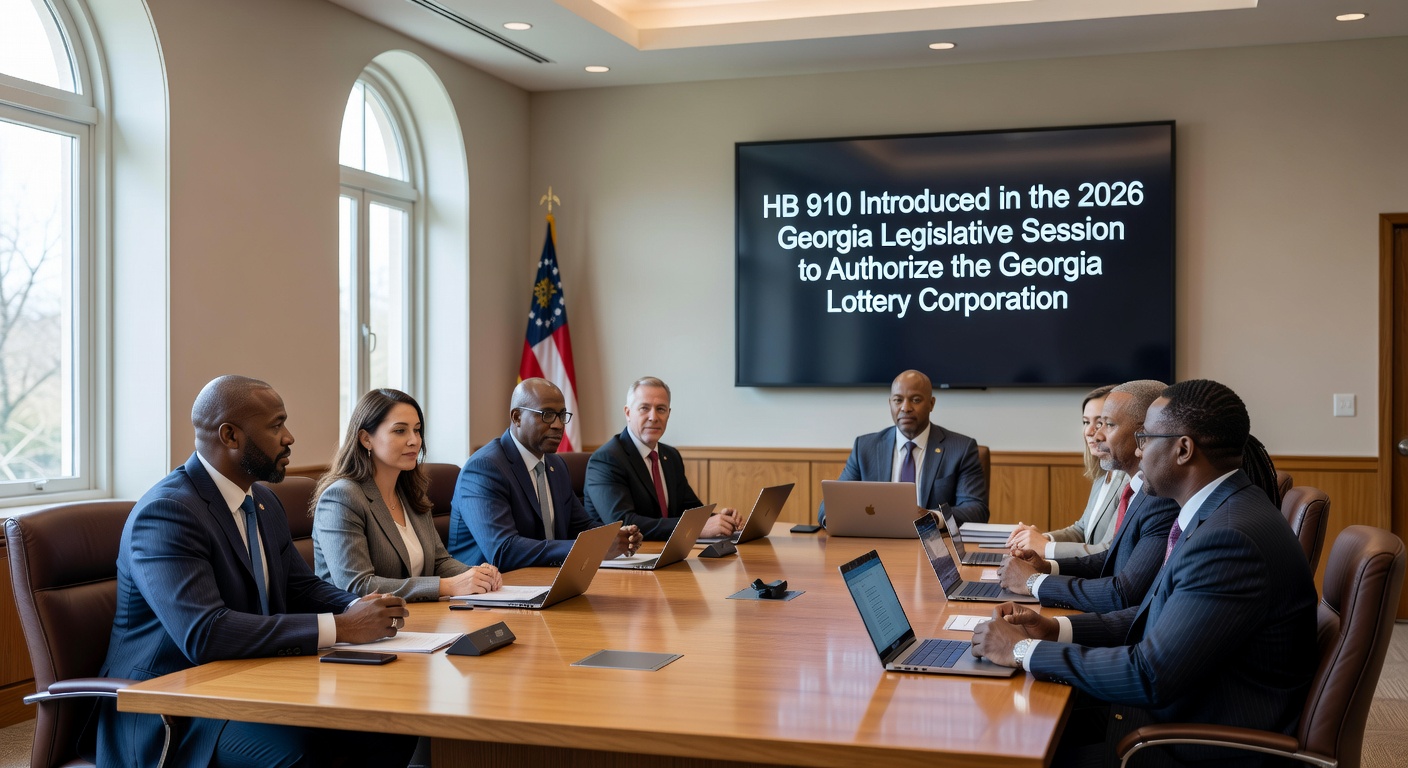
Discussions around potential sports gambling legalization in Georgia for 2027 continue in legislative circles, while Native American tribes in the state pursue clearer regulatory standards that would apply to any new framework. Tribal representatives have met with state officials to outline preferences for licensing structures that protect sovereignty interests, and these conversations build on earlier proposals that stalled in prior sessions. According to state legislative summaries, bills introduced in 2026 reference revenue sharing models and consumer protections that could shape any future market, and tribal input remains a central element in ongoing negotiations.
One study revealed that states introducing regulated markets after 2018 often experienced initial spikes in participation followed by stabilization within two years, and similar patterns could inform Georgia's timeline. The ball's in the hands of lawmakers who must balance competing priorities before any 2027 launch window opens.
Connecting Threads Across Jurisdictions
What's significant is how the Utah and Washington developments intersect with the House inquiry and Georgia talks, because each case involves questions about the scope of prediction contracts versus traditional wagers. Operators have responded by narrowing offerings in select states, and regulators continue to refine definitions that affect product availability. Evidence suggests that these adjustments reflect standard compliance practices rather than wholesale retreats from the sector.
Conclusion
The developments reported in November 2026 illustrate how charges, lawsuits, endorsements, and legislative inquiries collectively influence the pace of change in betting and prediction markets. Companies like DraftKings, FanDuel, and Fanatics have already demonstrated responsiveness to enforcement signals in Utah, while parallel processes in Washington, Texas, the federal level, and Georgia continue to unfold. Those who've followed these issues recognize that outcomes in any one state can inform strategies elsewhere, and further updates will likely emerge as court cases and committee work progress.