Soundscapes Directing Decisions: Acoustic Cues in Live Retail Betting Environments
Written by Willa Vogel · Oct 3, 2026

Soundscapes Directing Decisions: Acoustic Cues in Live Retail Betting Environments
Acoustic cues in approved retail betting sites consist of layered audio elements that include commentator calls, crowd reactions, and venue announcements, and these signals often align with shifts in live betting activity. Researchers have documented how such sounds reach bettors through overhead systems and wall-mounted speakers positioned near wagering terminals, creating immediate feedback loops during ongoing events. Data from facility audits shows that these auditory inputs reach peak intensity during critical game moments, coinciding with increased wager placements on outcomes such as next-play results or in-game point spreads.
Venue Audio Systems and Their Integration
Approved retail locations install directional speakers and zoned sound controls that deliver distinct audio streams to different sections of the floor, allowing operators to adjust volume levels based on event type and crowd density. Studies conducted by gaming technology firms reveal that these systems transmit real-time play-by-play audio from multiple sports simultaneously, while background music volumes drop automatically during high-stakes sequences. Observers note that this technical setup ensures bettors receive clear auditory signals without interference from adjacent terminals or external noise sources.
Sound engineers calibrate these environments to emphasize certain frequency ranges that match human speech patterns, thereby enhancing comprehension of commentator analysis during fast-paced segments. Equipment specifications from major venue operators indicate average decibel outputs remain within regulatory limits established by state gaming authorities, yet the directional focus directs attention toward betting interfaces at key intervals. In October 2026, multiple sites reported upgrades to adaptive audio processors that respond to live game telemetry feeds, further synchronizing sound delivery with unfolding action.
Patterns in Bettor Responses to Audio Triggers
Live betting data collected across regional facilities demonstrates correlations between specific acoustic events and subsequent wager volumes, particularly when crowd cheers intensify following scoring plays or defensive stops. Analysis of transaction logs shows elevated activity on prop bets immediately after vocal announcements from on-site staff or amplified game commentary, suggesting these cues prompt rapid evaluation of updated odds displays. Retail operators have recorded instances where synchronized audio-visual prompts lead to clustered selections on momentum-based markets such as run lines or set totals.
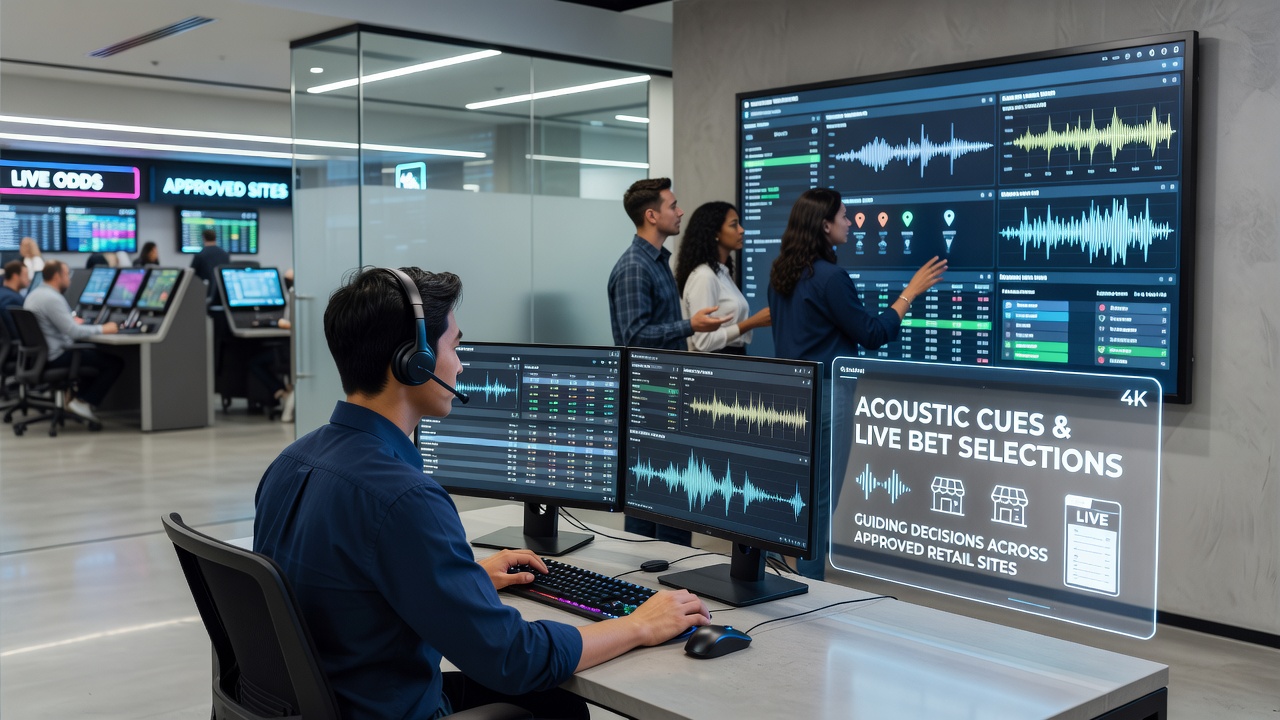
One study tracking participant behavior in controlled retail simulations found that bettors adjusted selections more frequently when exposed to layered soundscapes compared to muted conditions, with adjustments occurring within seconds of audio peaks. Figures released by industry monitoring groups indicate that live betting now accounts for over 62 percent of total handle at many venues, and acoustic timing appears to contribute to this distribution by guiding attention toward dynamic markets rather than pre-game options. Those who manage retail floors report that strategic placement of announcement speakers near high-traffic terminals amplifies this effect without requiring additional staffing interventions.
Regulatory Frameworks Governing Audio Use
State gaming commissions oversee acoustic implementations in licensed facilities to ensure compliance with fairness standards and consumer protection guidelines. Documentation from the Nevada Gaming Control Board outlines requirements for transparent audio delivery that avoids misleading emphasis on particular outcomes, while similar provisions appear in Canadian provincial regulations administered through bodies such as the Alcohol and Gaming Commission of Ontario. These rules mandate regular testing of sound systems to confirm consistent performance across all approved sites, preventing localized advantages that could arise from uneven audio distribution.
Industry associations including the American Gaming Association have compiled reports on best practices for integrating audio technology with betting platforms, emphasizing measurable outcomes over subjective preferences. Research from academic institutions in Australia has examined how environmental acoustics influence decision timing in wagering settings, providing data that operators reference when designing new venues. Such cross-jurisdictional findings help standardize approaches that maintain regulatory alignment while supporting operational efficiency.
Technological Advancements and Future Applications
Recent innovations include AI-driven audio modulation tools that analyze live event data streams and adjust cue timing accordingly, creating more precise alignment between sound events and odds updates. Pilot programs at select retail locations have tested wearable audio devices that deliver personalized cues to individual bettors, though widespread adoption remains limited by current hardware constraints. Projections based on equipment procurement records suggest continued investment in these systems through 2027 as operators seek to refine the relationship between auditory input and live selection patterns.
Conclusion
Acoustic cues function as structural components within approved retail betting environments, guiding live bet selections through calibrated delivery of game-related sounds and venue announcements. Evidence from operational data, regulatory documentation, and behavioral studies confirms measurable associations between these audio elements and wager timing across multiple jurisdictions. Continued technological integration and oversight by diverse regulatory bodies ensure these systems evolve in accordance with established standards while supporting the documented growth of live betting activity.