Traffic Patterns Silently Directing Incentive Choices at State-Approved Gaming Zones
Written by Blake Schröder · Oct 31, 2026
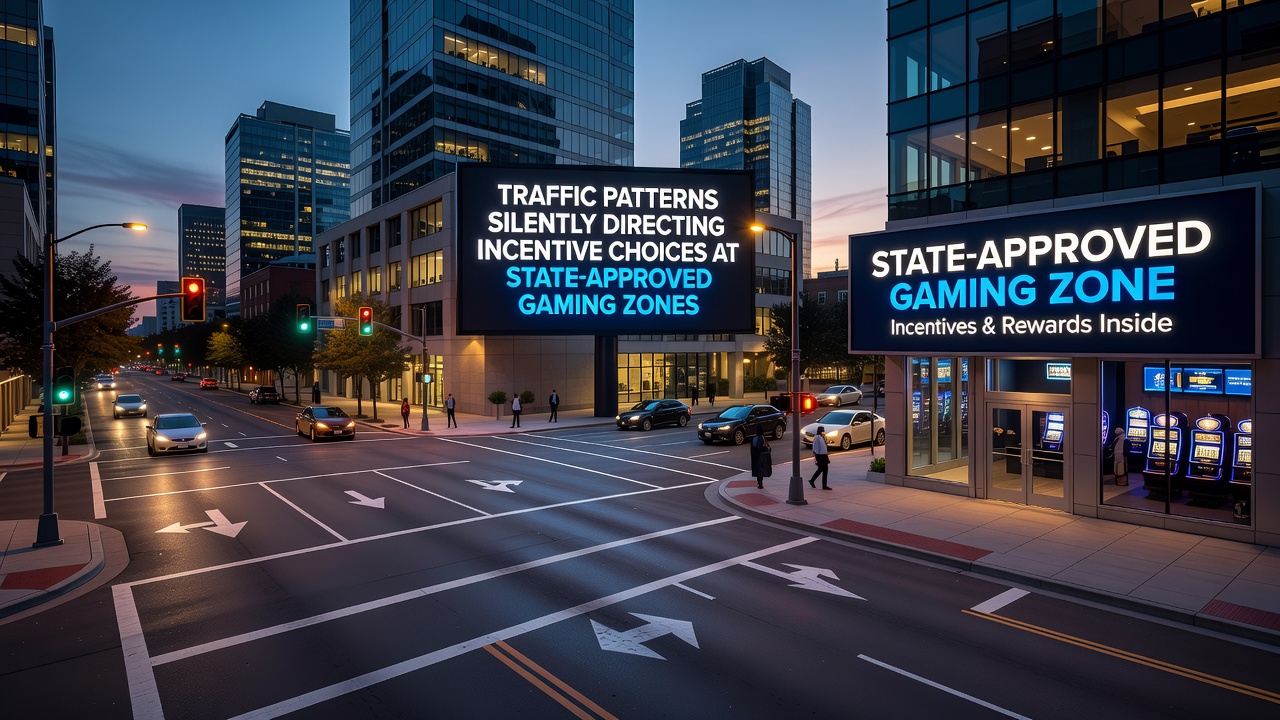
Traffic Patterns Silently Directing Incentive Choices at State-Approved Gaming Zones
State-approved gaming zones operate under strict regulatory frameworks that shape everything from floor plans to promotional displays, and traffic patterns within these venues play a central role in guiding how patrons encounter and select incentives. Data from multiple jurisdictions shows that entry points, corridor widths, and sight lines influence which bonus offers or wagering options receive the most attention during peak hours in October 2026.
Layout Elements That Shape Movement
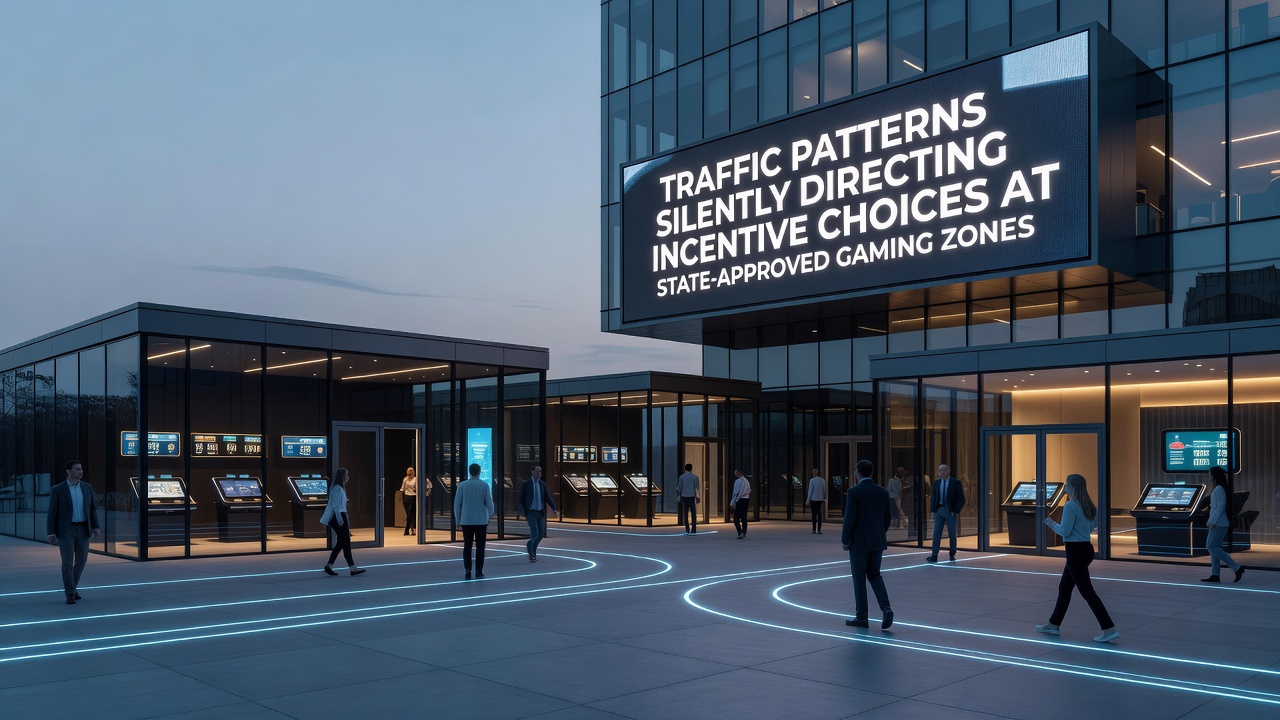
Facility designers position high-traffic corridors to funnel visitors past specific promotional kiosks before they reach main gaming areas, and studies conducted by regional gaming authorities confirm that this sequencing increases interaction rates with targeted incentives by measurable margins. Wide aisles near entrances often feature digital screens displaying time-limited offers, while narrower paths leading to table games or slots create natural pauses where patrons review available rewards. Observers note that these arrangements emerge from iterative testing rather than random placement, with operators adjusting signage and booth locations based on heat-map data collected over months.
Regional Data on Incentive Uptake
Figures released by the Nevada Gaming Control Board indicate that venues with optimized entry sequences recorded higher redemption rates for deposit-match promotions compared to facilities using more open layouts during the third quarter of 2026. Similar patterns appear in Canadian markets, where the Ontario Lottery and Gaming Corporation tracks how clustered incentive stations near restrooms or food courts draw consistent foot traffic. Researchers examining these metrics across multiple sites found that patrons who encounter offers within the first 30 meters of entry demonstrate stronger engagement with loyalty programs than those who navigate longer, less directed routes.
Technology Integration in Flow Management
Modern gaming zones incorporate sensors and mobile app integrations that adjust digital signage in real time based on crowd density, and this adaptive approach allows operators to highlight different incentives depending on whether morning, afternoon, or evening patterns dominate. One documented case involved a Midwest facility that shifted its featured bonus display from slot tournaments to table-game credits after traffic data revealed stronger afternoon movement through the latter section. Such adjustments rely on anonymized movement statistics rather than individual tracking, maintaining compliance with state privacy rules while still refining how incentives reach different visitor groups.
Comparative Observations Across Jurisdictions
Facilities in Atlantic City have adopted narrower entry funnels lined with incentive booths that emphasize progressive jackpot promotions, whereas desert-region casinos in Nevada tend toward broader plazas that disperse crowds toward multiple reward stations simultaneously. Data compiled by independent research groups shows these differences produce distinct uptake profiles, with concentrated pathways correlating to higher single-offer redemptions and dispersed layouts supporting broader sampling of several incentives. Australian state regulators have also published reports on similar dynamics in licensed clubs, noting that exit-route placements for cash-back offers maintain engagement even as visitors depart.
Regulatory Oversight and Design Standards
State licensing boards require operators to submit floor plans that demonstrate clear pathways for emergency egress, yet these same documents indirectly affect how promotional material is arranged along approved routes. Compliance teams review traffic simulations to ensure that incentive stations do not create bottlenecks, and any proposed changes to layout must receive approval before implementation. This process creates a documented record of how physical design decisions intersect with marketing strategies across approved venues.
Future Adjustments in Venue Planning
Operators continue to refine traffic patterns using updated modeling software that incorporates seasonal visitor data from 2026, allowing for seasonal repositioning of incentive displays without major renovations. Academic analyses from university research centers have begun examining whether these spatial strategies produce consistent effects across different demographic segments, with preliminary findings suggesting that repeat visitors respond more readily to relocated offers than first-time arrivals. Continued monitoring by regulatory bodies will determine how such adaptations align with responsible gaming guidelines while maintaining operational efficiency.
Conclusion
Traffic patterns within state-approved gaming zones function as an embedded mechanism that channels attention toward particular incentives, supported by regulatory records, movement analytics, and cross-jurisdictional comparisons. The interplay between physical layout, technological adjustments, and compliance requirements produces measurable differences in how patrons interact with available promotions, and ongoing data collection will continue to inform refinements in approved facilities.